

An Angel on Wheels: Nurse Saves Fellow Triathlete With CPR and an AED
Updated September 2026 with additional details from contemporary news reports and current CPR information.
Sometimes the person who saves a life just happens to be in the right place at exactly the right moment.
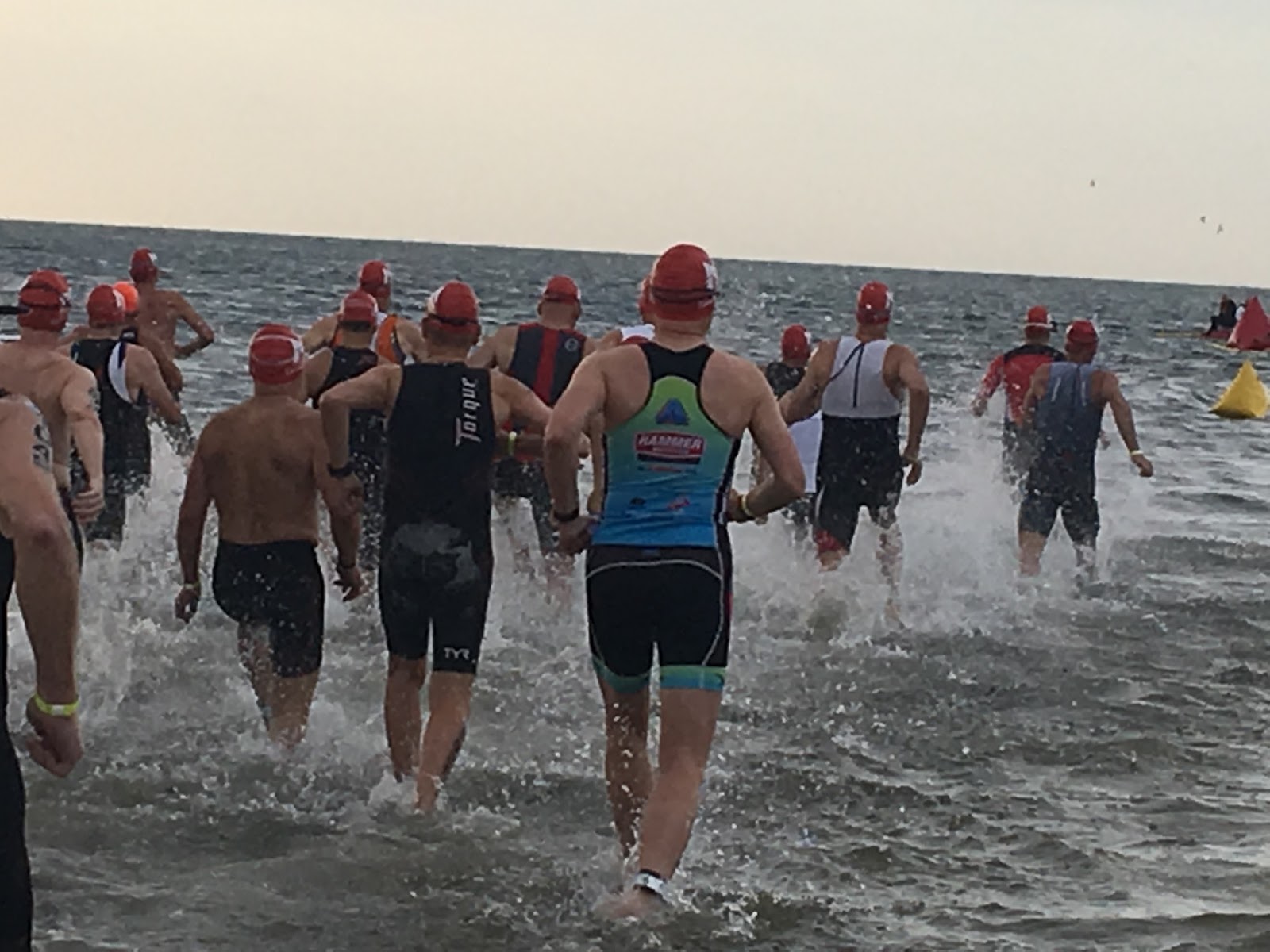
On April 30, 2011, 37-year-old Teresa McCoy was competing in the Meek and Mighty Triathlon in St. Petersburg, Florida, part of the annual St. Anthony’s Triathlon events.
McCoy, a nurse in the cardiac lab at Tampa General Hospital, was nearing the end of the bicycle portion of the race when she noticed two police officers gathered around another competitor who had collapsed along Bayshore Drive.
She Recognized the Man
McCoy recognized the fallen participant as race No. 100.
She was race No. 96.
The two had briefly spoken before the race began.
While other cyclists continued past, McCoy stopped her bike and went to help. The officers initially believed the man might be having a seizure.
McCoy checked him and found no pulse.
She immediately began CPR.
CPR Was Only the First Step
McCoy then called for a defibrillator.
One of the police officers had an AED in his cruiser, and it was quickly brought to the scene.
After the man was shocked, he regained responsiveness. Paramedics soon arrived and transported him for additional care. Officials later reported that he survived and was expected to recover. His identity was withheld at his family’s request.
And then Teresa McCoy did something else remarkable.
She got back on her bicycle and finished the race.
CPR and an AED Work Together
The story illustrates something still emphasized in modern CPR training.
CPR and an AED perform different but complementary jobs.
CPR helps circulate blood to the brain, heart, and other vital organs.
An AED analyzes the heart rhythm and can deliver a shock when a shockable rhythm is present.
When someone is in sudden cardiac arrest, immediate CPR and rapid use of an AED can provide a critical bridge until emergency medical professionals arrive.
It is also worth clarifying a common point of confusion.
Some early reports described the man as having a heart attack. A heart attack and cardiac arrest are not the same thing. A heart attack involves blocked blood flow to heart muscle, while cardiac arrest occurs when the heart suddenly stops pumping blood effectively.
A heart attack can sometimes trigger cardiac arrest.
Because McCoy found the man without a pulse and began CPR followed by defibrillation, the emergency she was treating was cardiac arrest.
“It’s Like I Was His Angel Today”
Afterward, McCoy reflected on being in exactly the right place at the right time:
“I know that God put me where I was supposed to be today. It’s like I was his angel today.”
For McCoy, the moment may have felt providential.
But she was also prepared.
She recognized that the man had no pulse. She knew how to perform CPR. She knew that an AED was needed. And when someone suddenly collapsed in front of her, she acted.
That combination of training and willingness to respond helped give another person a second chance.
You Don’t Have to Be a Cardiac Nurse to Learn CPR
Teresa McCoy brought professional medical experience to this emergency.
But ordinary bystanders can also learn the basic skills needed to respond to sudden cardiac arrest.
CPR and AED training teaches you how to:
-
Recognize cardiac arrest
-
Call 911 quickly
-
Perform effective chest compressions
-
Use an AED
-
Continue care until EMS arrives
You may never need those skills.
But cardiac arrest rarely sends an invitation ahead of time.
It can happen at home, at work, at a gym, during a sporting event, or while standing on the side of a road.
And when it happens, the nearest trained person may be the most important person there.
Learn CPR and AED Skills
In-Pulse CPR provides hands-on American Heart Association CPR, BLS, AED, and First Aid training.
View Upcoming CPR Classes
Teresa McCoy called herself an angel that day.
What made the difference was that when someone needed help, she knew what to do and did it.
Updated September 2026: This article has been substantially revised with additional details from contemporary reports about Teresa McCoy’s April 30, 2011 rescue during the Meek and Mighty Triathlon. It has also been updated to clarify the difference between heart attack and cardiac arrest and to reflect current CPR and AED principles.

COMMENT (1)
Nursing4change / November 14, 2013
I took a CPR class recently and I am so thankful as I had recently heard a similar story. Thank you so much for the post!