
Why do we need CPR training?

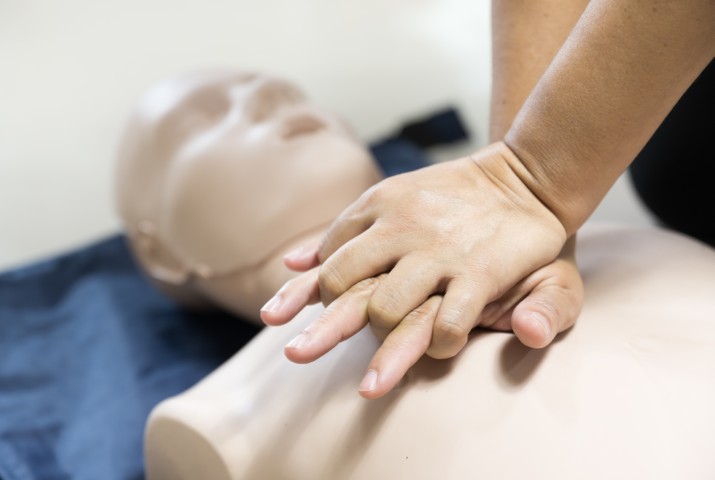
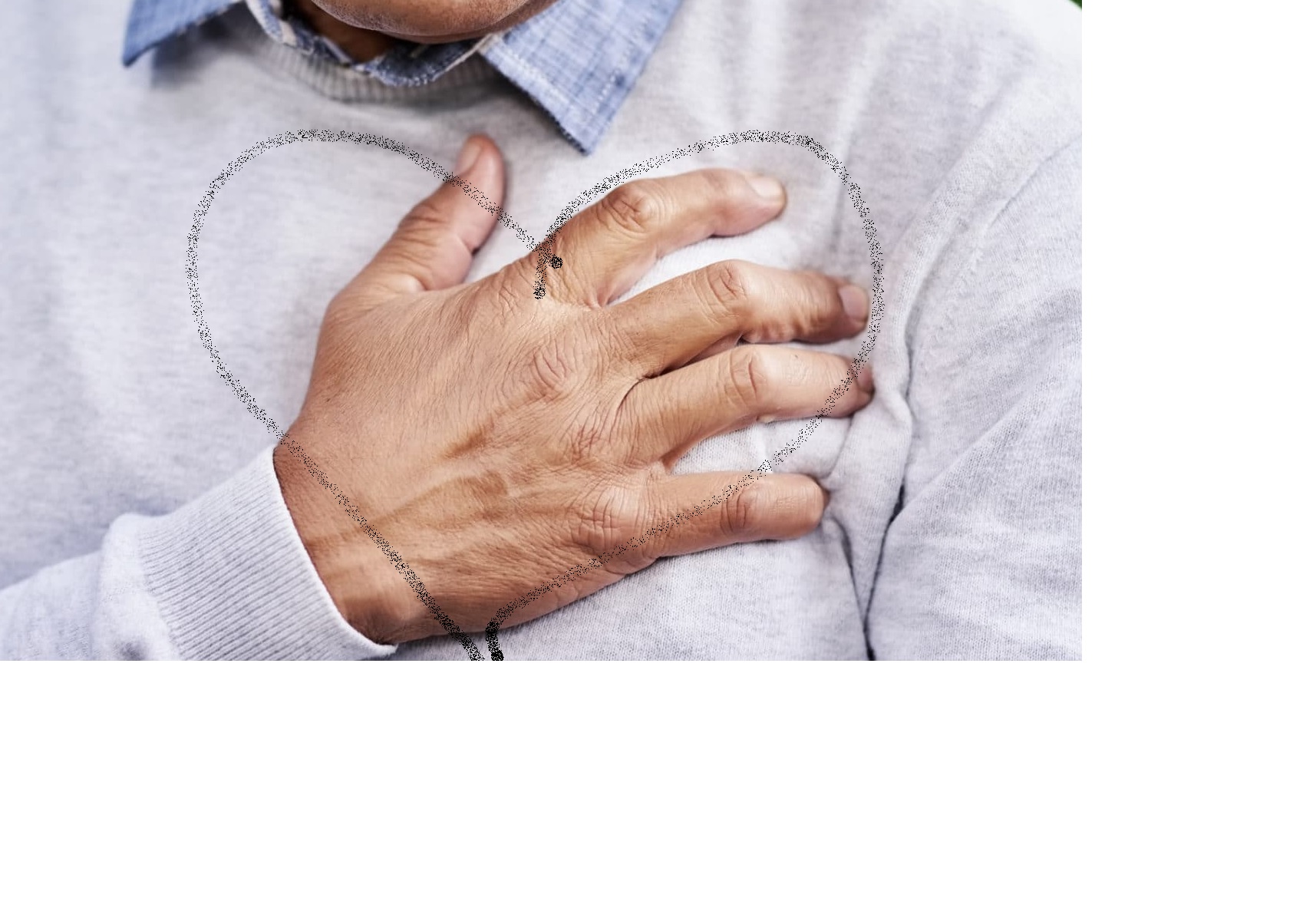
Introduction Heart disease remains the leading cause of death in the United States, claiming more than 600,000 lives each year. What makes this even more urgent is where cardiac arrests happen. More than half occur outside of hospitals, often in homes, workplaces, or public spaces. In these moments, survival doesn’t begin with doctors or equipment—it […]
VIEW DETAIL

Updated: How do bloodborne pathogens spread?

Understanding Blood-Borne Pathogens Blood-borne pathogens are infectious microorganisms present in blood and certain body fluids that can cause serious disease in humans. The most common include: • Hepatitis B (HBV)• Hepatitis C (HCV)• Human Immunodeficiency Virus (HIV) These pathogens are transmitted when infected blood or certain body fluids enter another person’s body through broken skin, […]

VIEW DETAIL

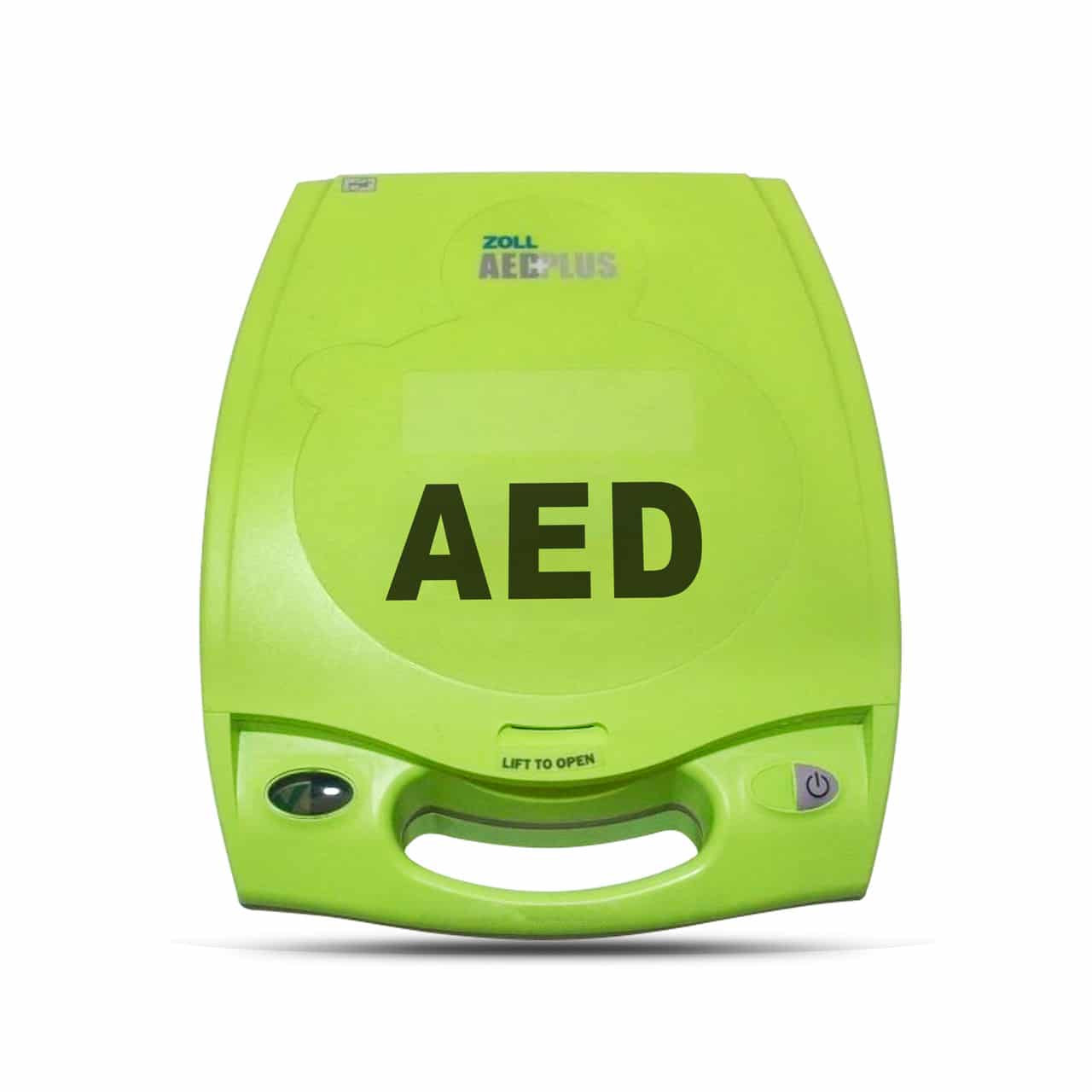
AEDs: The Life-Saving Device Everyone Should Know About

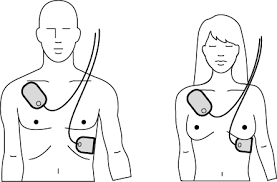
  An AED, or Automated External Defibrillator, is a portable medical device designed to help save the life of someone experiencing sudden cardiac arrest (SCA). When paired with CPR, it can dramatically increase the victim’s chances of survival. This small but powerful device quickly analyzes the heart’s rhythm and, if necessary, delivers an electric shock […]

VIEW DETAIL

How To Avoid Injuries

Unintentional Injuries are a major public health problem. In the United States alone, preventable injuries account for over 3 million non-fatal injuries and 150,000 deaths per year. Globally the number of people dying from unintentional injuries is around 5 million deaths per year. The important thing to appreciate is that many of the injuries can […]

VIEW DETAIL

Staying Healthy

Many people do not realize until it is too late that staying healthy can be life-saving. But it is never too late to start a healthy approach to life. We live in a fast-paced world where everyone is very busy and there is little time devoted to the body. Plus with all the distractions it […]

VIEW DETAIL

Bloodborne pathogens treatment

Universal precautions apply to which body fluids? Cerebrospinal fluid Blood Semen Vaginal secretions Synovial fluid Pleural and pericardial fluid Amniotic fluid In general, universal precautions do not apply to nasal secretions, feces, sweat, sputum, urine, vomitus, and tears unless they contain visible blood or have obvious signs of an infection. Who requires training for bloodborne […]

VIEW DETAIL

Bloodborne Pathogens Part 1

All individuals who work in a clinical setting, medical laboratory, healthcare institution, or research facility may come in contact with body fluids from another person. This places them at high risk for coming into contact with bloodborne pathogens. But what are bloodborne pathogens? Blood-borne pathogens are organisms (viruses, bacteria, fungi) that can cause potentially serious […]

VIEW DETAIL

What is CPR: an update

Cardiopulmonary resuscitation (CPR) is a lifesaving procedure that can be used to save lives in emergencies like drowning or heart attack, where the individual’s heartbeat and/or breathing have suddenly stopped. CPR can be performed anywhere when an individual develops cardiac arrest including areas outside the hospital like an airplane, swimming pool, or even a shopping […]

VIEW DETAIL

Why do we need AED training?

Sudden death is not a rare event; each year close to 350,000 people suffer a cardiac arrest and without immediate treatment, a significant number die. Sudden death can occur at any time and in any location; the individual may suddenly stop breathing, lose consciousness, and collapse. EMS ARRIVAL When you come across a person who […]

VIEW DETAIL

CPR in Babies

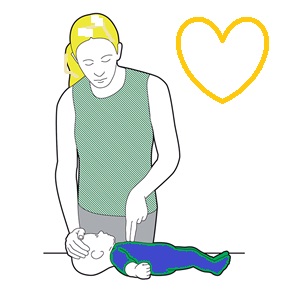
Introduction There are some subtle differences in performing CPR in babies compared to adults and older children. Babies are not only smaller in size but are also fragile- CPR done inappropriately can cause damage to many internal organs in children less than 1 year of age. But it is important to know how to perform […]

VIEW DETAIL

CPR In Children

The protocol for CPR in children is similar to that in adults. Safety First Always make sure that the child is away from any impending danger. CPR should always be done in a safe location The next step is to check the child’s level of consciousness. Do this by tapping the child on the shoulder […]

VIEW DETAIL