

Florida, Minnesota
Pennsylvania, Tennessee
Where to Find CPR & First Aid Training
Are you wondering where to find first aid or CPR training near you? In-Pulse CPR offers CPR (cardiopulmonary resuscitation) training, AED (automated external defibrillator) training, and more throughout Florida, Minnesota, and Pennsylvania. From Philadelphia and West Chester to Lancaster and York in PA; from Orlando and Crystal River to Tampa and Clermont in FL; and from Apple Valley and Blaine to Fridley and St. Paul in MN, we provide large regions of the United States with the best CPR, AED, BLS (basic life support), and other critical survival classes in the country.
In-Pulse provides you access to highly trained teachers, the latest technology, and the certification training you need to become someone to depend on in an emergency. With our wide number of convenient locations, we make it easy to get the training you need to improve your ability to prevent an emergency from becoming a tragedy.
Why Train with In-Pulse CPR
In-Pulse CPR offers:
- Access to the most-experienced trainers around
- Flexible scheduling
- Convenient locations
- Thorough training
- Many available types of certification
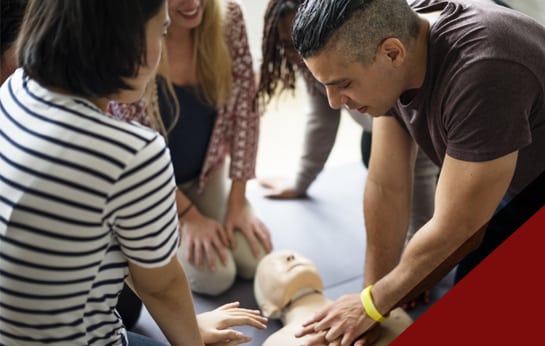
Here’s a Hypothetical…
Say you’re living in a restaurant in Philadelphia, and you see someone choking. What do you do? Sure, you’ve seen TV people on TV do CPR, but do you really feel confident in your ability to perform it in the real world? Probably not… That is, unless you have been professionally trained. That’s where In-Pulse CPR comes in. With 74 class locations across 3 states, 51 staff, and nearly 100,000 graduates, we are proud to provide the vital training necessary for appropriate emergency response.
When CPR Training is Required
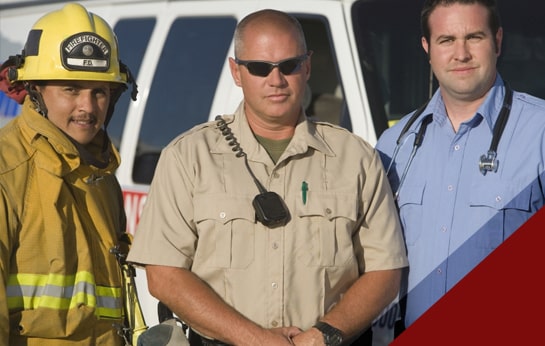
In some instances, CPR training is required. The following professions call for their employees to be certified:
- Firefighters
- Volunteers
- Coaches
- Child Care Providers
- Flight Attendants
- Lifeguards
- School Teachers
- Security Guards
- And More
Even if you’re a full-time parent, knowing how to respond in emergencies is a skillset that you may end up being very, very grateful for. Learn more about our CPR and first aid training classes.
5 Reasons You Should Learn CPR
Learning CPR may sound complicated at first, but it often can be taught through only a single class. While you can learn how to do CPR online, attending classes gives you the opportunity to ask questions, get professional feedback on your technique, and ensures that you’re doing everything right, giving you the confidence to use it on anyone who needs it. For others, AED, first aid, and CPR training are required for them to do a specific profession, so being certified and re-certifying every few years is very important in those cases in particular. In general, here are five reasons to learn CPR:
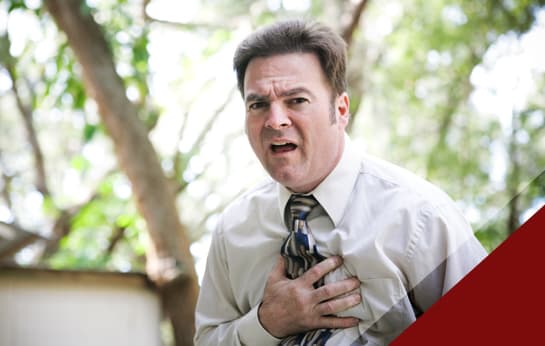
#1: Increase Odds of Survival
Each year, there are more than 365,000 out-of-hospital heart attacks in the United States, with just about 90% of them being fatal. That number can be lessened if more people are trained in CPR and know how to use AEDs, since, by the time the paramedics arrive, it often is too late — once the heart stops beating, oxygen is no longer flowing to the brain, which can create devastating damage in a very short time. Performing CPR helps oxygen continue to flow to the brain and other vital organs, giving the patient the best chance of recovery they can get until the EMS (emergency medical services) arrives. If CPR is conducted within the first few minutes of a cardiac arrest, it can double or even triple the odds of that person’s survival!
#2: Save Someone You Care About
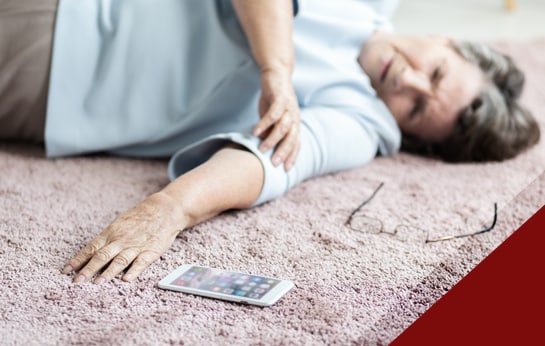
According to the Sudden Cardiac Arrest (SDA) Foundation, nearly 70% of sudden heart attacks occur at home. That means that the people most likely to benefit from you learning CPR are those around you. Many people assume that cardiac arrests only happen to people who are elderly or sick, but they can actually affect anyone, resulting from things like heart abnormalities, trauma, drug overdoses, and more. Even children aren’t immune to a sudden cardiac arrest, with around 7,000 people under the age of 18 experiencing them every year in the US. It’s a great idea for everyone to at least have some basic knowledge of CPR, and it’s an especially good idea if you are someone’s caregiver or are a new parent to get training for dealing with your young child needing CPR. Getting a Heartsaver CPR AED Certification will prepare you for being able to save a life of someone you love. Sudden cardiac arrests can happen to anyone — it’s best to be prepared to provide those you love with emergency care when they need it.
#3: It’s Simple, Easy, & Effective
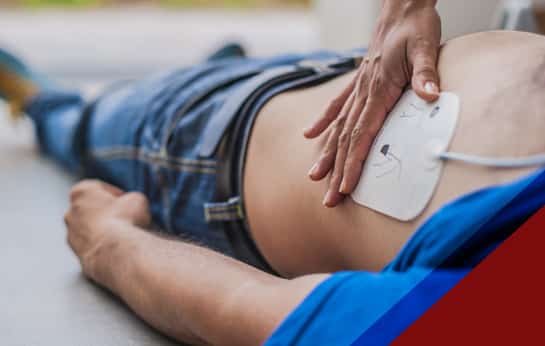
CPR not only significantly increases the chance of survival for people who need it — like choke victims and people who suffered a serious cardiac arrest — it also is easy to learn. CPR and AED (automated external defibrillator) training can take as few as a handful of hours to complete, and the results are lifesaving. If you are a healthcare worker, CPR training is understandably a necessity. As a layperson, it’s still a worthwhile thing to learn, in particular if you work in a daycare, as a lifeguard, as a fitness instructor, etc. Once you complete a BLS (Basic Life Support) training course with In-Pulse CPR, learning the skill once may be all you need to do. However, in certain professions you may need to retake courses every two or three years. If you are a layperson looking to learn a valuable skill or a medical professional looking to ensure you have up-to-date CPR, AED, and First Aid certification, sign up for the CPR training you need today!
#4: Feel Confident in the Face of Medical Emergencies
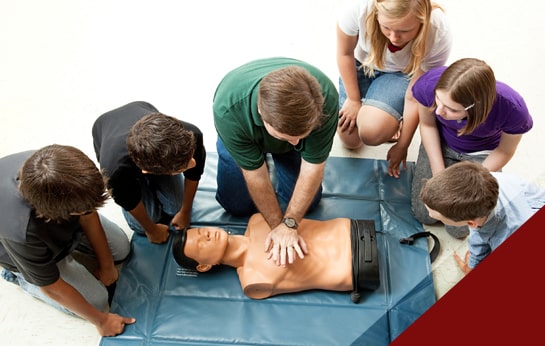
No matter how experienced you are, it can be terrifying when someone around you collapses due to a heart attack, choking, or some other sudden medical emergency. While the emergency is unexpected and could come at any time, when you have proper CPR training you can feel confident that you know what to do to provide the victim with the immediate medical attention they need. Our training programs also will teach you how to use AEDs with confidence, so you can make the best decisions possible in cases of emergency, even when the pressure is high. Having someone nearby with CPR training can make all the difference in medical emergencies. The life training techniques you will learn during our courses can drastically improve the outcomes for a patient long-term. If performed within the first few minutes after a cardiac arrest, CPR can double or triple the chance’s of the victim’s survival, for example.
#5: The Guidelines Have Changed
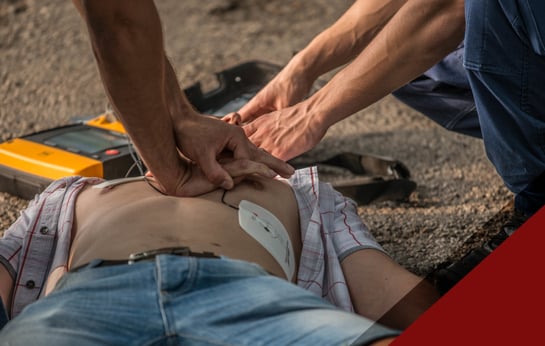
Did you know that CPR no longer requires rescue breathing? The process of conducting CPR is no longer like how they show in classic movies. The elimination of rescue breathing in the process helps reduce the victim and the caregiver’s exposure to saliva-borne pathogens, making the process safer. This is just one of a number of changes that have recently occurred with CPR guidelines. These changes are designed to get the process started faster and to increase the patient’s chances of survival. Signing up for a class with In-Pulse CPR today ensures that your skills are up-to-date and you’re providing the best possible care when an emergency occurs.
The other four reasons you should learn CPR are coming soon.
This page is currently under construction. For now, know that CPR is extremely important to learn, regardless of whether or not it is required for work. In-Pulse CPR offers CPR , AED training, and more all over Florida, Minnesota, and Pennsylvania. Get started today!
Conveniently Located CPR, AED, & First Aid Training
In-Pulse CPR offers lessons at locations all over Florida, Pennsylvania, and Minnesota. We are able to provide training and certification for a number of different categories of emergency care training. Some of our more popular options include:
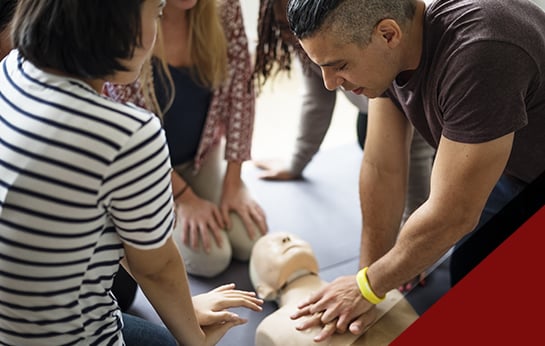
BLS Provider CPR Certification Training
The American Heart Association BLS (Basic Life Support) training is for people who need to be certified in CPR (cardiopulmonary resuscitation) and AED (automated external defibrillators). In the healthcare industry, being BLS certified to perform CPR is often mandatory. That includes:
- Dentists
- Hygienists
- Nurses
- Nursing students
- Emergency medical technicians (EMTs)
- Physicians
- And many more
Being certified to give CPR and use AEDs also is relevant for the layperson, especially if you spend a lot of time around groups of people. People in the following roles are encouraged to get CPR training as well:
- Lifeguards
- Daycare providers
- Fitness instructors
- Teachers
- Church staff
- Parents or grandparents
- School students
- Etc.
The American Heart Association’s CPR certification is the most widely accepted CPR certification around. In fact, many schools and employers don’t recognize any other type of certification. In-Pulse CPR teacher and certifies through the American Heart Association, so by working through our basic life support (BLS) CPR training program, you’ll get the certification that is most widely recognized. Our comprehensive CPR training course gives you the skills and the confidence to conduct CPR and deal with other related real-life medical emergencies efficiently and effectively. If you would like to sign up for BLS training, visit our public training calendar for listings of classes in your area.
Have a group of people looking for training? We offer 4-hour long, private, on-site training Monday through Friday. Schedule on whatever date and at whatever location is most convenient for everyone in your group.
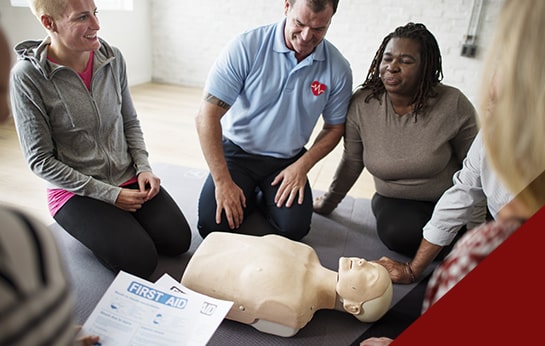
Heartsaver CPR & First Aid Certification
A step above the basic Heartsaver class, the American Heart Association Heartsaver CPR and First Aid course provides more in-depth training for CPR certification. Heartsaver CPR/AED is no longer offered as a standalone training course, but can be registered for when registering for BLS (Basic Life Support) training.
These classes cover topics such as:
- Scene safety
- Early warning signs of heart attack and stroke
- Adult, child, and infant CPR
- Checking responsiveness and breathing
- Activating EMS
- 1- and 2-person rescue
- Breathing (both mouth-to-mouth and via bag mask device)
- Basic (AED) automated external defibrillator operation and function
- Activating EMS
- Hands-on skill performance testing
- Initial assessment
- Assisting choking victims
- Assessing responsiveness
- Control of bleeding
- Managing shock
- Addressing illnesses and injuries
- Warning signs of medical illness
- Mechanism of injury
- Emergency move
- Managing specific first aid problems
AEDs & More for Sale
Performing CPR often goes hand-in-hand with using an AED (automated external defibrillator). Buying an AED can be a big investment, with a wide variety of different choices. However, just know that all standard AEDs serve the same function; all of them analyze heart rhythm and deliver a shock if necessary to reset the heart. Most of them also have extra pads available to be purchased with them, which work on children. When shopping for AEDs, use features such as warranty, estimated longevity, full-automation, and more to help make your decision for which unit to get. You can also check and see what the most popular units are. Check out the AEDs In-Pulse CPR has for sale here, and compare them according to the important metrics.
As a trusted name for CPR training and certification, as well as for first aid courses, In-Pulse CPR only sells the AEDs and related accessories that we know are excellent quality. We have been training people in Florida, Minnesota, and Pennsylvania for more than 10 years, and are BBB Accredited and approved by the American Heart Association. We are a Distributor of Zoll, HeartSine, Philips, and other major manufacturers of AEDs. See what AEDs we have for sale today!
A Survival Story
When Todd Tewksbury — a 27-year-old athlete — set out for his routine daily jog back in August of 2014, everything about it felt normal — from lacing up his cross-trainers to the feel of his old t-shirt, nothing stood out as odd to him as he said goodbye to his mother and set out along his route. He couldn’t have known that his life was about to change forever, and, without some quick-thinking onlookers, could have ended that very day. Of course, how could he have known?
As his jog approached JFK by the art museum, he suddenly suffered a heart attack and fell to his knees. He had no previous signs that he was susceptible to cardiac arrest. Unless emergency medical treatment is performed immediately, a heart attack often can be deadly, as the heart may stop pumping blood, depriving organs of oxygen. It is critical that a person suffering a cardiac arrest receives CPR or treatment with a defibrillator within seconds.
Even though only 11% of people survive heart attacks each year nationally, if more people knew CPR that number could greatly improve. Lucky for Todd Tewksbury, he fell into that 11% survival rate due to the fast action of a group of strangers who were out enjoying the Schuylkill River Trail that day as well.
Dr. Aaron Mendelson and his wife were only a few feet away when they saw Todd fall to the ground. Assuming he was having a seizure, they rushed over to him. After checking Todd’s pulse, it became immediately evident that he had suffered a heart attack. Another two medical professionals were also on the trail, and they began to administer CPR to help provide Tewksbury’s vital organs with the oxygen they so desperately needed. Louis’s mother was called and came and rushed him to the hospital, where he was able to recover.
If it wasn’t for those 11 minutes of CPR conducted by the people on the waterfront, it’s unlikely that Todd would have survived.
If more people knew CPR and could use it in emergency, we could have more stories like this one, where someone who experiences a sudden heart attack can be rescued by the shrewd and rapid action of people nearby. The more people who know CPR, the greater all our chances of survival will be if we ever suffer a heart attack.
Click here to read more survival stories….
Sign Up for a CPR Class Today
CPR is extremely important to learn, regardless of whether or not it is required for your work. In-Pulse CPR offers CPR, AED training, and more all over Florida, Minnesota, and Pennsylvania. Get started today!