

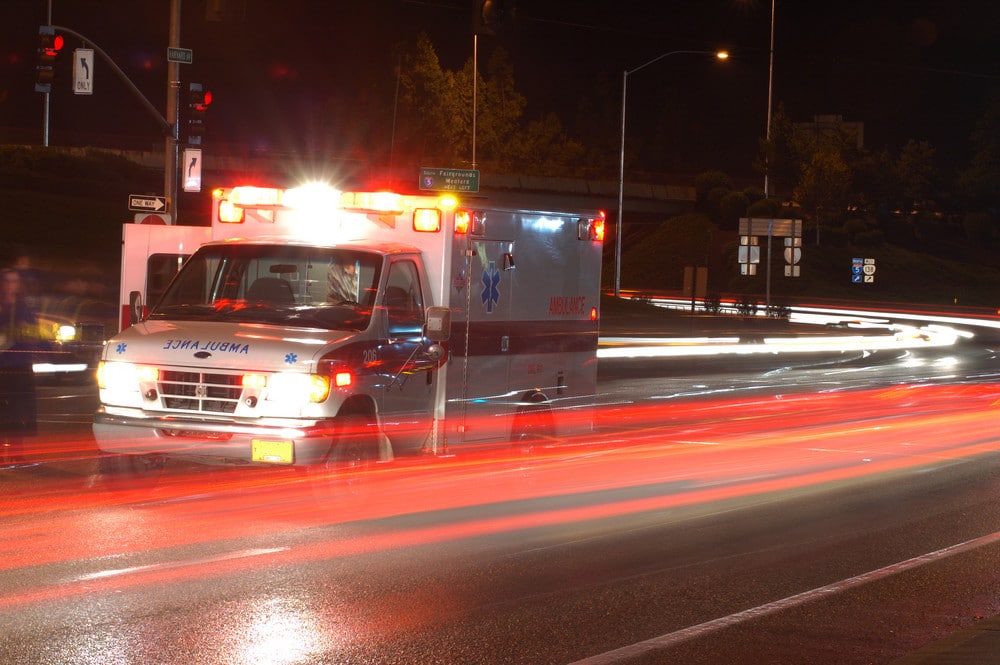
Guarding Life: CPR Saves a Driver After a Serious Crash
Written by Tom Sirmons
Updated October 2026 with verified details and current CPR and emergency-scene safety guidance.
On February 28, 2011, Edward Johansen was driving along Route 140 in Norton, Massachusetts, when he witnessed a frightening crash.
A vehicle struck a utility pole hard enough to bring down electrical wires.
Inside was a driver who would soon need more than help getting out of the wreckage.
He would need CPR.
What followed became a documented lifesaving rescue, and the Town of Norton later formally recognized Johansen for his actions. Official town meeting minutes confirm that the victim, identified as Mr. Costa, had no pulse and was not breathing when Johansen began CPR. Norton MA
A Serious Crash on Route 140
Johansen saw the vehicle leave the road and strike a utility pole.
The crash created an especially dangerous scene because electrical wires had come down around the vehicle.
According to the original account, Johansen stopped and went to help the driver.
He removed the injured man from the vehicle and discovered that he was unresponsive, not breathing, and had no pulse.
The situation had changed from a traffic accident into a cardiac arrest emergency.
CPR Began Before Paramedics Arrived
Johansen began CPR while another motorist called for emergency help.
Because of the downed wires, the rescue unfolded near the travel lane, adding another hazard from passing vehicles.
A truck driver eventually stopped and positioned his vehicle to help block traffic.
Official Norton Board of Selectmen records later confirmed that Johansen performed CPR on the roadway before paramedics arrived and that the victim recovered. Norton MA
Johansen had CPR training.
When someone suddenly needed those skills, he used them.
Scene Safety Comes First
There is an important lesson from this story that deserves more emphasis today.
A rescuer should not become a second victim.
Downed power lines, moving traffic, fire, leaking fuel, and unstable vehicles can all make a crash scene extremely dangerous.
Current American Heart Association guidance begins with ensuring that the scene is safe before approaching someone in cardiac arrest. www.heart.org
If electrical wires are down:
- Stay well away from the wires
- Assume every wire is energized
- Keep other people back
- Call 911
- Follow instructions from emergency dispatchers
- Do not approach a vehicle that may be in contact with energized electrical equipment
Johansen’s rescue had a successful outcome, but bystanders today should never interpret the story as encouragement to enter an electrically hazardous scene.
Recognizing Cardiac Arrest
The original article described the driver as having suffered a heart attack.
The official town record confirms that the victim was not breathing and had no pulse, but it does not establish what caused the cardiac arrest. Norton MA
A heart attack and cardiac arrest are not the same thing.
A heart attack occurs when blood flow to part of the heart muscle becomes blocked.
Cardiac arrest occurs when the heart suddenly stops pumping blood effectively.
For a lay rescuer, determining the exact cause is not the priority.
Current AHA guidance says that if an adult is unresponsive and not breathing normally or is only gasping, a lay rescuer should assume cardiac arrest. cpr.heart.org
The priorities are:
- Call 911
- Begin CPR
- Get an AED if one is available
- Use the AED as soon as possible
- Continue CPR until the person shows signs of life or professional rescuers take over
CPR Helped Bridge the Gap Until EMS Arrived
CPR usually does not restart the heart by itself.
Instead, chest compressions help maintain some blood flow to the brain and other vital organs while emergency medical help and defibrillation are on the way.
The 2025 American Heart Association guidelines continue to identify early high-quality CPR and prompt defibrillation as key interventions for improving survival from adult cardiac arrest. cpr.heart.org
Immediate CPR can double or triple a person’s chance of surviving an out-of-hospital cardiac arrest. American Heart Association
Johansen provided that critical early care before paramedics reached the scene.
The Driver Survived
Emergency personnel eventually arrived and took over the rescue.
The driver was transported to a hospital.
Johansen left without knowing whether the man he had helped would survive.
Later that evening, he received the news he had hoped for:
The driver was doing well.
Several weeks later, Johansen had an opportunity to meet the man whose life he had helped save.
Official records show that Norton Fire Chief Richard Gomes presented Johansen with a Life Saving Citation at an April 2011 Board of Selectmen meeting. He received both a plaque and a pin recognizing his actions. Norton MA
“I Just Saved a Dad”
The original story recorded Johansen reflecting on how much he and the man he rescued had in common.
Both were approximately the same age.
Both had children.
The experience made the rescue far more personal.
Johansen said:
“It just made me realize how important life is.”
What began as a stranger’s emergency suddenly represented an entire family that could have lost a husband and father.
CPR Training Can Turn a Bystander Into a Rescuer
Most people will never face an emergency involving a crashed vehicle, downed electrical lines, and cardiac arrest all at once.
But cardiac arrest itself can happen almost anywhere.
At home.
At work.
At a restaurant.
At church.
During exercise.
Or on the side of a road.
Only about 41% of adults experiencing out-of-hospital cardiac arrest receive CPR before EMS arrives, according to the American Heart Association. American Heart Association
That means there is still a large gap between someone collapsing and someone nearby beginning lifesaving care.
CPR training helps close that gap.
Learn CPR Before Someone Needs It
You cannot predict where a cardiac arrest will happen.
You can prepare for what to do when one occurs.
In-Pulse CPR provides hands-on American Heart Association CPR, BLS, AED, and First Aid training for individuals, healthcare professionals, businesses, and community organizations.
👉 View Upcoming CPR and First Aid Classes
Businesses and organizations can also bring CPR, AED, and First Aid training directly to their workplace.
👉 Learn About Private On-Site CPR Training
Edward Johansen happened to be driving past when someone else’s ordinary afternoon became a life-threatening emergency.
Because he knew CPR and acted, that man was able to go home to his family.
Updated October 2026: This article was originally written by Tom Sirmons and has been substantially revised using official Town of Norton records confirming Edward Johansen’s February 28, 2011 rescue and subsequent Life Saving Citation. Medical information has also been updated to reflect current American Heart Association CPR and AED guidance.
***
